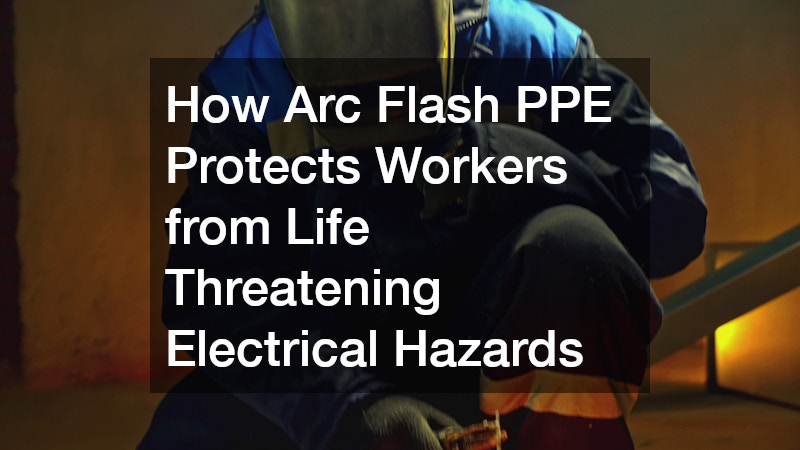
Electrical systems power nearly every modern industry, from manufacturing plants to data centers. While electricity is essential, it also presents serious dangers—especially the risk of an arc flash. These explosive events can cause severe burns, blindness, hearing damage, and even fatalities in a fraction of a second. That’s why arc flash PPE plays such a critical role in protecting workers from life-threatening electrical hazards.
Understanding the Danger of an Arc Flash
An arc flash occurs when an electrical current leaves its intended path and travels through the air between conductors or to the ground. This sudden release of energy can generate temperatures hotter than the surface of the sun, along with intense light, pressure waves, and molten metal fragments.
According to the Occupational Safety and Health Administration (OSHA), thousands of workers are injured by electrical hazards each year. Arc flash incidents, while less common than minor shocks, are often far more severe. The combination of extreme heat, flying debris, and concussive force makes these events uniquely dangerous.
Without proper protection, a worker exposed to an arc flash can suffer third-degree burns in seconds. Even being several feet away does not guarantee safety, as the energy released can extend well beyond the electrical panel.
What Is Arc Flash PPE?
Arc flash PPE (Personal Protective Equipment) refers to specialized protective clothing and equipment designed to shield workers from the thermal and physical effects of an arc flash incident. Unlike standard workwear, arc-rated garments are tested to withstand a specific level of thermal energy without breaking open or igniting.
Arc flash PPE typically includes:
-
Arc-rated shirts and pants or coveralls
-
Flame-resistant (FR) outerwear
-
Arc-rated face shields or hoods
-
Hard hats with arc-rated protection
-
Insulated rubber gloves with leather protectors
-
Safety glasses and hearing protection
Each component works together as part of a layered defense system, minimizing the severity of injuries if an arc flash occurs.
How Arc Flash PPE Reduces Burn Injuries
The primary threat during an arc flash event is intense thermal energy. Arc-rated clothing is measured in calories per square centimeter (cal/cm²), indicating how much energy the fabric can withstand before a second-degree burn is likely.
When properly selected based on a hazard analysis, arc flash PPE acts as a thermal barrier. The materials are engineered to self-extinguish, resist ignition, and prevent melting. This is critical because conventional fabrics like polyester or nylon can melt into the skin when exposed to high heat, causing even more severe injuries.
By insulating the body and preventing direct exposure to thermal energy, arc-rated garments dramatically reduce the risk of catastrophic burns.
Protection Against Blast Pressure and Flying Debris
Arc flash incidents do not only involve heat. The rapid expansion of air and vaporized metal creates a powerful pressure wave—often referred to as an arc blast. This force can knock workers off ladders, damage hearing, and propel shrapnel-like fragments outward.
Arc flash PPE helps mitigate these risks. Face shields and arc-rated hoods protect the eyes and face from molten metal droplets and intense ultraviolet light. Hard hats and protective helmets absorb impact energy, while hearing protection reduces the risk of permanent hearing loss caused by explosive sound levels.
By addressing multiple hazard factors at once—thermal, mechanical, and acoustic—arc flash PPE provides comprehensive coverage rather than partial protection.
Compliance with Safety Standards
Employers are responsible for identifying electrical hazards and implementing protective measures. OSHA requires employers to assess workplace risks and provide appropriate PPE. In addition, guidelines from organizations such as the National Fire Protection Association (NFPA) outline best practices for electrical safety in the workplace.
Specifically, NFPA 70E establishes standards for electrical safety programs, including arc flash risk assessments and PPE selection. Following these standards ensures that workers are equipped with gear appropriate for the potential energy levels they may encounter.
Compliance is not just about avoiding fines—it is about creating a culture of safety that prioritizes worker well-being.
The Importance of Proper Selection and Training
Even the highest-quality arc flash PPE cannot provide protection if it is not properly selected or worn correctly. A detailed arc flash study should determine the incident energy level at specific equipment locations. From there, PPE must be chosen with an arc rating equal to or greater than the calculated hazard.
Workers also require training to understand:
-
When arc flash PPE is required
-
How to inspect gear for damage
-
Proper layering techniques
-
Correct donning and doffing procedures
Regular inspection is essential. Tears, contamination, or improper laundering can reduce the effectiveness of arc-rated fabrics.
A Critical Layer of Workplace Defense
Arc flash incidents are unpredictable and potentially devastating. However, with proper hazard assessments, compliance with safety standards, and consistent use of arc flash PPE, the severity of injuries can be dramatically reduced.
In high-risk electrical environments, arc flash PPE is not optional—it is a vital safeguard. By investing in certified, properly rated protective equipment and ensuring workers are trained to use it correctly, organizations protect not only their workforce but also their operational continuity and reputation.
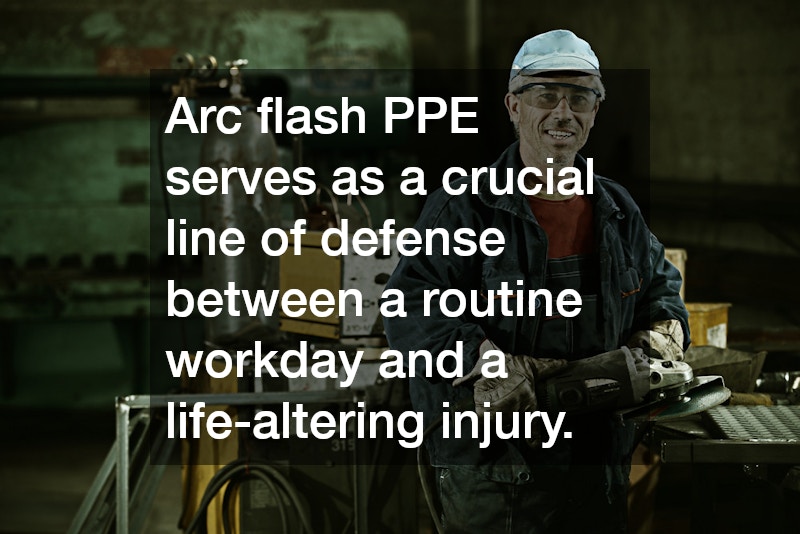
Ultimately, arc flash PPE serves as a crucial line of defense between a routine workday and a life-altering injury.