Businesses across many industries rely on durable materials, efficient production processes, and reliable infrastructure to remain competitive. One often overlooked component of this foundation is the role of metal fabrication in creating custom parts, structures, and equipment used every day in commercial operations. Understanding how sheet metal fabricators contribute to operational success can help business owners make more informed decisions when planning projects, expanding facilities, or upgrading equipment.
Custom Solutions That Support Business Operations
Every business has unique operational requirements, which means standardized components are not always sufficient. Custom fabrication allows companies to create metal parts and structures specifically designed for their processes and environments.
Whether it involves ductwork for ventilation systems, specialized enclosures for equipment, or custom shelving and workstations, tailored metal solutions ensure that each piece fits perfectly into the intended space.
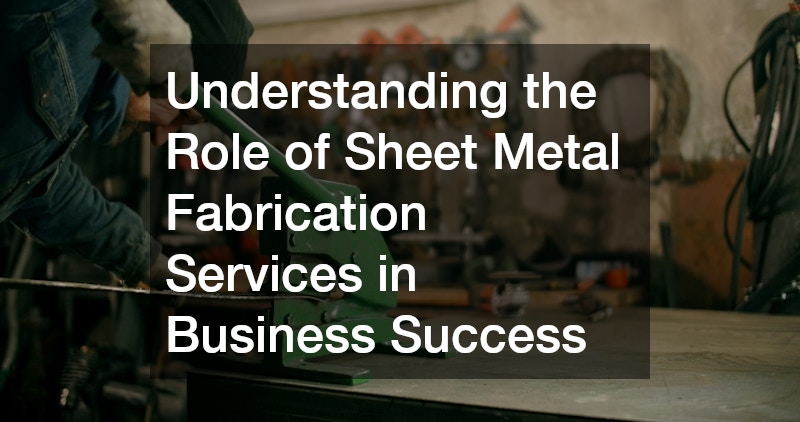
Sheet metal fabrication services make it possible to transform raw metal sheets into precise components through cutting, bending, and forming techniques. These processes enable fabricators to meet exact specifications, which is especially important in industries where precision and reliability are critical. For example, manufacturers often require custom brackets, panels, or machine guards that must align perfectly with existing equipment.
Customization also allows businesses to improve workflow and efficiency. When tools, work surfaces, and structural elements are designed with specific tasks in mind, employees can complete their responsibilities more effectively. Over time, these small operational improvements can significantly enhance productivity and reduce costly downtime.
Additionally, custom fabrication supports scalability. As businesses grow or adapt to new demands, fabricated metal components can be modified or expanded to accommodate new equipment or production processes. This flexibility ensures that infrastructure evolves alongside the business rather than becoming a limiting factor.
Strengthening Durability and Long-Term Cost Efficiency
Durability is a critical factor for businesses that rely on equipment, structural components, or protective enclosures made from metal. High-quality fabricated metal products are designed to withstand demanding environments, including exposure to heavy use, moisture, temperature changes, and industrial conditions.
When businesses invest in professionally fabricated metal components, they benefit from materials and construction methods that are built to last. Sheet metal fabrication services use advanced tools and skilled techniques to produce parts that maintain structural integrity over time. This reliability helps reduce the frequency of repairs or replacements, which can quickly become expensive if inferior materials are used.
Durable metal components also contribute to workplace safety. Protective barriers, machine guards, and structural supports all play important roles in maintaining safe working environments. Fabricated metal products that are designed and installed correctly help ensure that equipment operates safely and that employees remain protected while performing their tasks.
Cost efficiency is another long-term advantage. While custom fabrication may initially appear to be a larger investment than off-the-shelf alternatives, the longevity and performance of well-crafted metal components often lead to lower overall costs. Businesses benefit from fewer maintenance issues, less downtime, and equipment that performs consistently over many years.
Supporting Innovation and Industry Growth
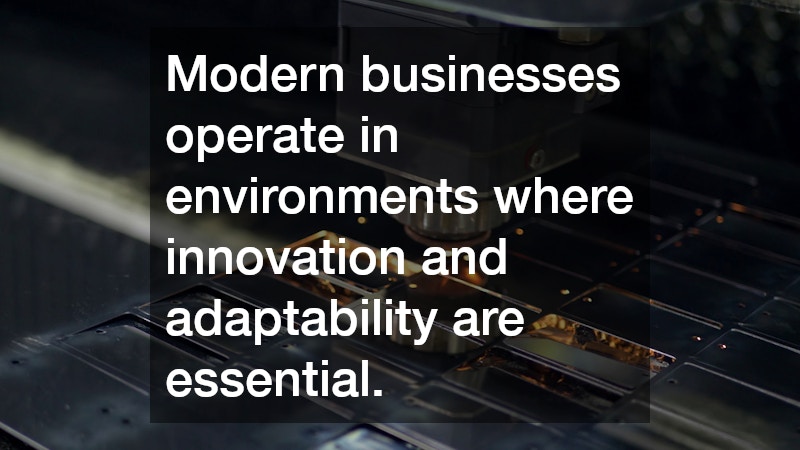
Modern businesses operate in environments where innovation and adaptability are essential. Fabrication plays a vital role in supporting new technologies, facility upgrades, and evolving production methods. Companies that invest in metal fabrication can implement new ideas and processes more easily because they have access to custom components designed specifically for their needs.
Sheet metal fabricators are frequently involved in projects that require specialized structures, such as equipment housings, ventilation systems, architectural features, and mechanical components. These fabricated parts allow businesses to develop new products, improve building systems, and integrate advanced technologies into their operations.
For example, manufacturing companies often rely on fabricated metal frames, conveyor system components, and machinery enclosures that support automated production lines. Similarly, commercial construction projects frequently require custom metal panels, brackets, and structural supports to meet architectural designs and engineering requirements.
The fabrication process also enables rapid prototyping and design improvements. When businesses work closely with fabricators, they can test new ideas, adjust designs, and create improved versions of components without relying on mass-produced parts that may not meet their needs. This collaboration fosters innovation and helps companies remain competitive within their industries.
Metal fabrication plays a fundamental role in helping businesses operate efficiently, safely, and competitively. From custom components that support specialized operations to durable structures that reduce long-term costs, fabricated metal products are essential elements within many commercial environments. By working with experienced professionals who provide sheet metal fabrication services, businesses can develop tailored solutions that strengthen infrastructure, improve productivity, and support future growth.